Tea Legends
The origins of tea are rich with intriguing legends. It is said that in 2737 BC in China, Emperor Shen Nung was boiling water beneath a tree when a breeze caused some leaves to fall into his pot. The infusion produced a delicate color and aroma, and upon tasting it, the emperor found it delightful. Thus, tea was born.
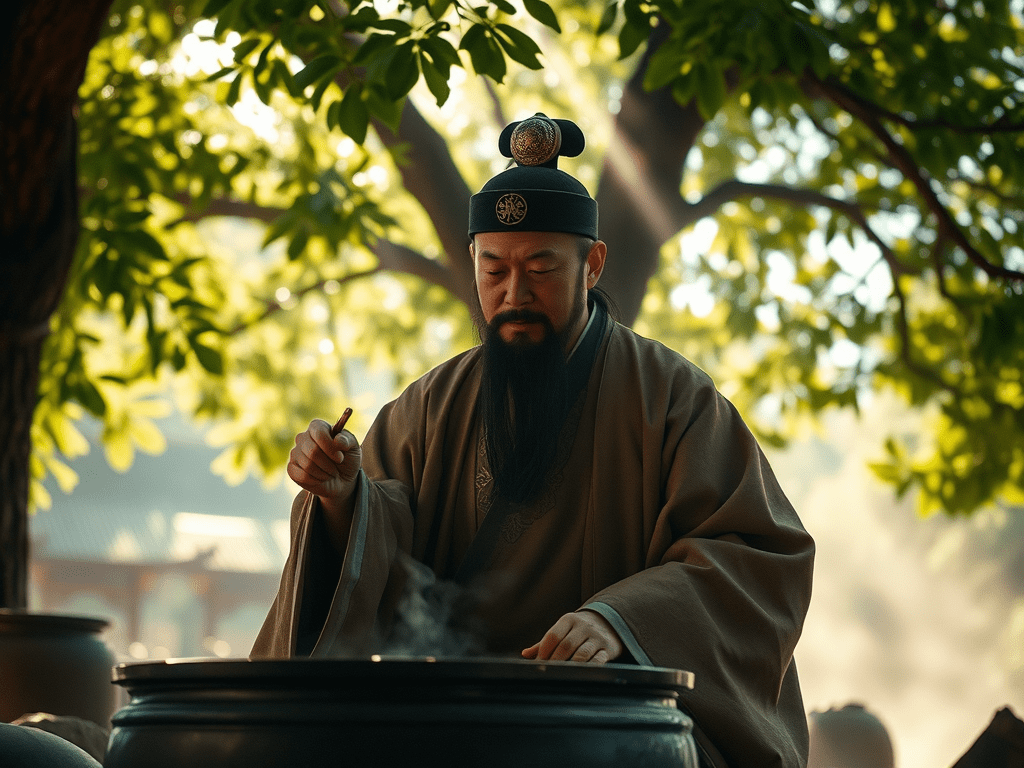
In India, another narrative recounts how Prince Dharma, blessed by divine grace, vowed to stay awake for nine years to spread Buddha’s teachings in China. However, after three years, he succumbed to drowsiness. In desperation, he chewed leaves from a wild tea plant, which invigorated him, and he attributed his endurance to those leaves.
In Japan, the tale differs slightly. Bodhi Dharma, after falling asleep during prayer, cut off his eyelids in frustration. Years later, he discovered that his eyelids had sprouted into a new bush, whose leaves helped him remain awake. He shared this revelation, leading to the cultivation of tea throughout his travels.
Despite these legends, the historical origins of tea can be traced back to China, likely around the border of northern Vietnam and Yunnan province, where the practice of drinking tea first developed.
Tea Traditions
During the Tang Dynasty (618-907 AD), tea evolved from a medicinal beverage to a celebrated aspect of daily life. Teahouses emerged, serving as centers of artistic expression that inspired poets, potters, and painters. Lu Yu, a prominent scholar, authored “Cha Jing” or “Traditions of Tea,” the first comprehensive treatise on tea, emphasizing the harmony and order in its preparation and consumption.
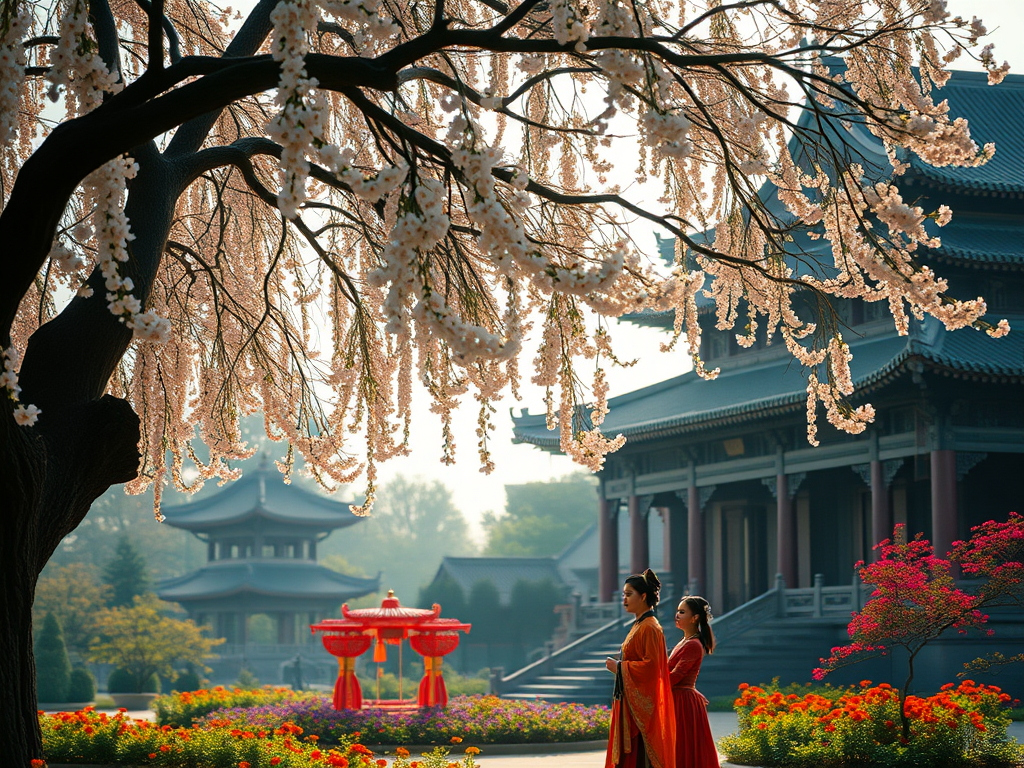
In this period, tea was often compressed into briquettes, roasted, and ground into powder, sometimes mixed with various ingredients. This method remains prevalent in Tibetan culture today.
The Song Dynasty (960-1279 AD) saw the emergence of more refined tea practices, laying the groundwork for Japan’s tea ceremony. Loose teas became increasingly popular, facilitating broader social consumption, while tea preparation became more ritualized.
The Ming Dynasty (1368-1644 AD) marked a pivotal change with an imperial decree banning compressed tea. This led to the brewing of loose-leaf tea in pots, revolutionizing tea culture and democratizing its consumption across social classes.
Tea was introduced to Japan in the 7th century by Buddhist monks, but it wasn’t until the 15th century that tea cultivation flourished. Sen No Rikyu, a significant tea master, elevated tea drinking to an art form, highlighting the beauty in simple rituals.
Europe Discovers Tea
By the 10th century, tea had become a vital export for China, with its introduction to Europe occurring in the 17th century. The first recorded cargo of tea arrived in Amsterdam in 1606, followed by its introduction to London in 1657 by Thomas Garraway, who advertised it as a highly recommended beverage.

Despite initial resistance stemming from misconceptions about its effects, tea quickly gained popularity, especially among the elite. A heavy tax imposed by Cromwell led to a thriving contraband trade, and by the 18th century, tea had established itself as a national favorite in England.
In France, tea incited lively debates within medical circles, gaining traction among notable figures such as Madame de Sévigné and Cardinal Mazarin.

Tea Conquers the World
English and Dutch settlers introduced tea to the New World, where it played a significant role in American history. In 1773, the Boston Tea Party protested high tea duties, leading to tensions that eventually sparked the War of Independence.

Tea also fostered peaceful competition among “tea clippers,” swift sailing ships racing to transport tea. As Western demand surged, England began cultivating tea in India and Ceylon in the 19th century, fundamentally transforming global tea production.
Today, tea is the second most consumed beverage worldwide, with approximately 15,000 cups enjoyed every second. From ancient legends to modern traditions, tea continues to interweave itself through cultures and histories, captivating tea lovers around the globe.

 Clara Teas
Leave a comment