A Leafy Adventure Begins!
Picture this: over 2000 years ago in ancient China, where the tea plant was just chilling in the wild, ready to kick off an epic journey! From untamed leaves to the cherished cups of emperors, this grand adventure transformed tea into the beloved beverage we all adore today. Talk about a glow-up!

Treasures of the Past
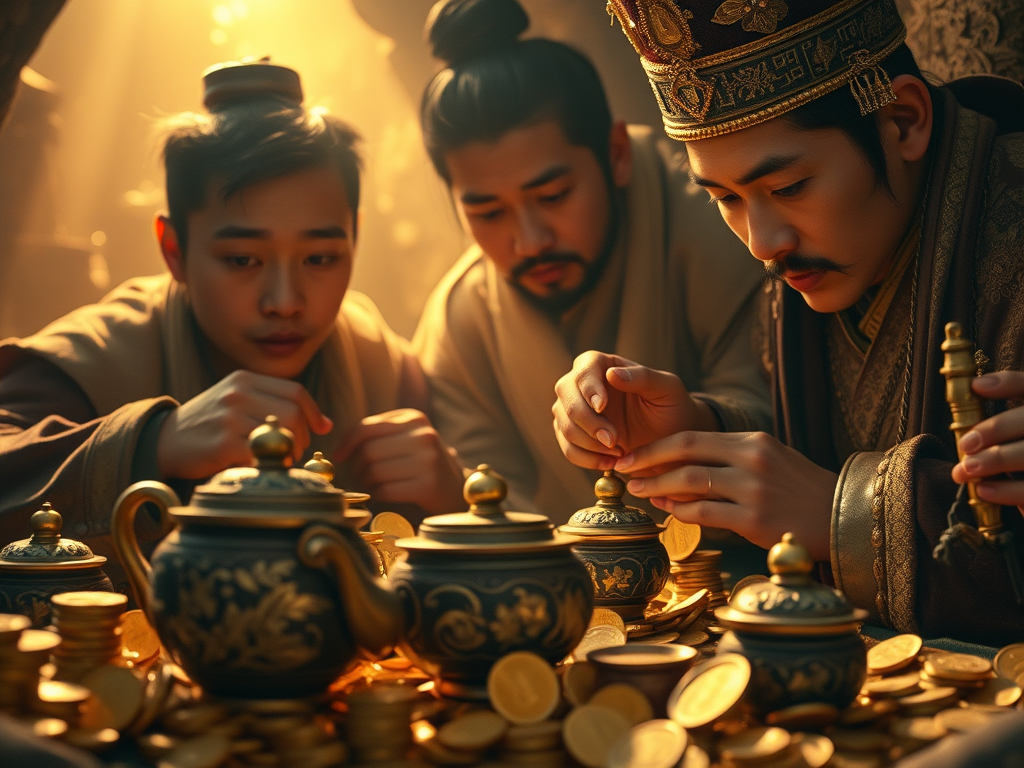
Fast forward to the fabulous Han Dynasty (206 BCE-220 CE), where treasure hunters discovered tea containers nestled among sparkling riches in the tombs of long-lost emperors. These little artifacts have some serious gossip to share about tea’s VIP status in history! Who knew those tiny leaves could carry such royal weight?
The First Sip of Tea
Did you know the earliest archaeological evidence of tea drinking dates back about 2,100 years? That’s right! Plant matter found in northeastern China and Tibet reveals tea’s ancient roots. It’s like tea has been uniting people for millennia, one sip at a time!
The Dance of Cultivation
Growing tea is no casual affair—it’s like a delicate dance with nature! Tea plants thrive in well-drained soil with a pH between 5.5 and 6.5, soaking up sunshine like it’s on vacation. They need a comfy minimum temperature of 50°F (10°C) and love full sun exposure. After about 3 to 5 years of TLC (tender loving care), they’re finally ready to shine!
Though they can grow 20–30 meters tall, tea plants prefer to be pruned into charming little evergreen shrubs for easier harvesting. In tropical regions, it’s a year-round picking party, while in temperate zones, plucking happens seasonally—imagine the tea harvest festival!
Tea Hotspots
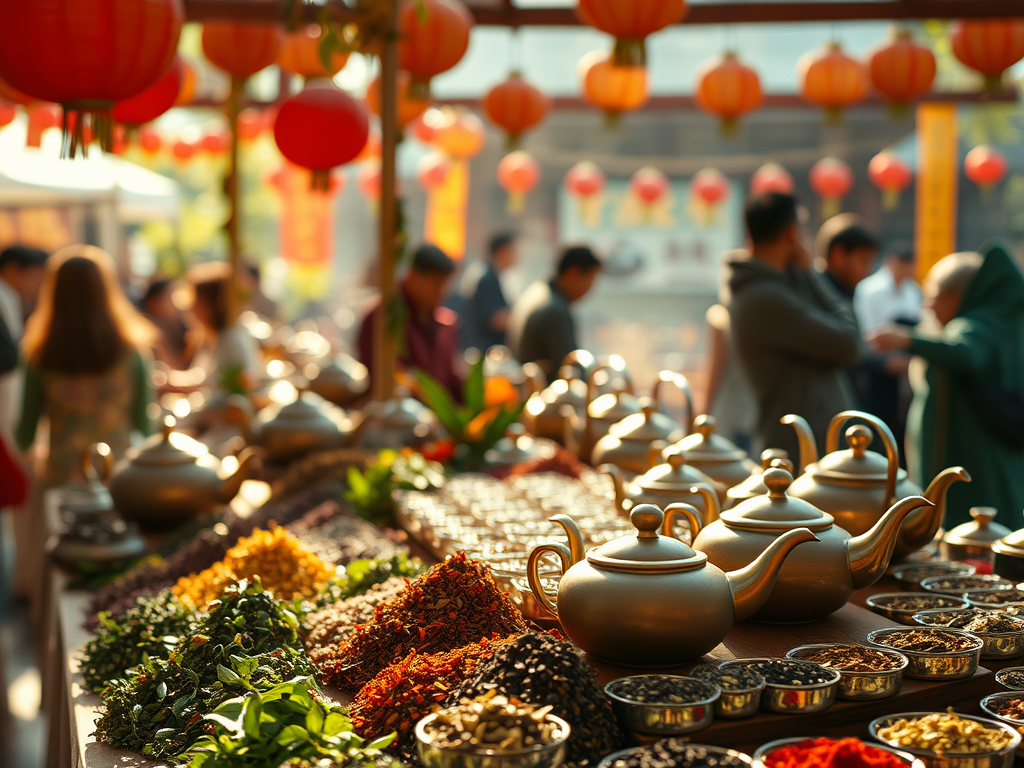
Let’s hop around the globe to the original tea hotspots: Southern China, Yunnan Province, and Assam in India. These regions are steeped in rich tea history, each adding its own flavor to the tale. Initially, tea was more of a medicine, the ancient energy drink that kept everyone buzzing!
A Genetic Wonderland
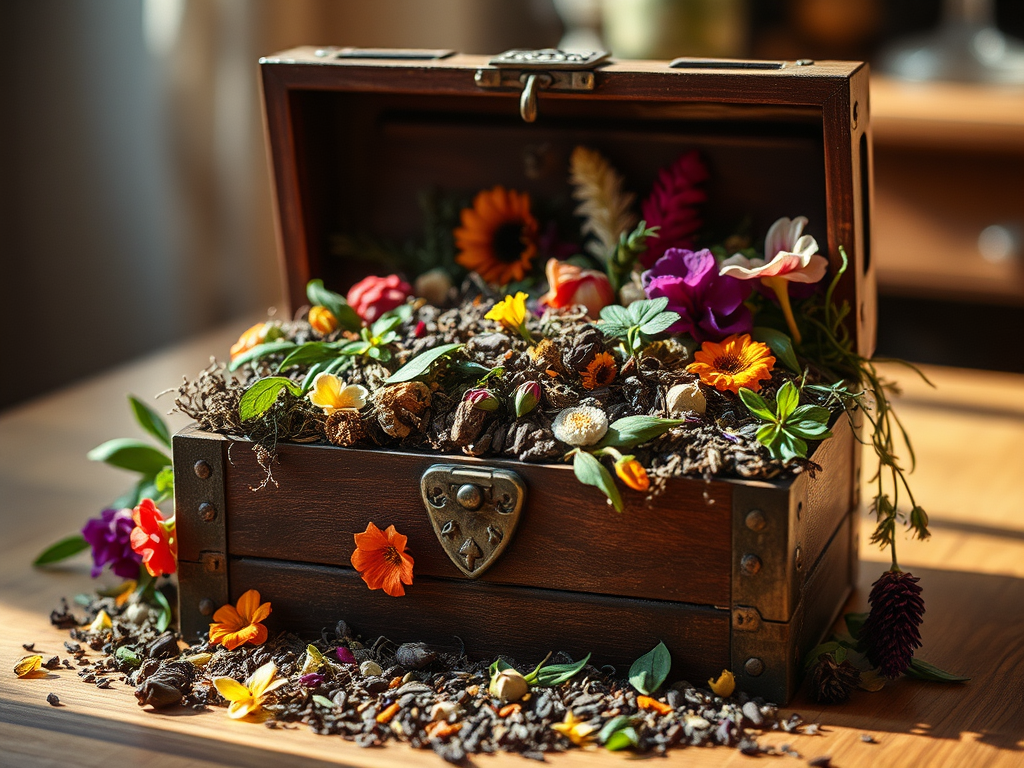
The genetic diversity of tea plants is like a botanical treasure chest! The tea plant boasts three distinct gene pools: China type tea, Chinese Assam type tea, and Indian Assam type tea. Each group has its own unique backstory, making the world of tea even richer. And because these plants love to mix it up, their genetic variation is as vibrant as a colorful tea party!
A Global Tea Party
But wait, the journey doesn’t end in Asia! In the early 1600s, Dutch traders introduced tea to Europe, launching its global adventure. By the 1650s, tea was the hottest new trend in England’s coffeehouses—like the social media sensation of its day! From there, it spread to the British colonies in America and beyond, winning hearts and taste buds worldwide.

A Revolutionary Brew
In America, tea took a wild turn with the Boston Tea Party of 1773. Disguised as Mohawk Native Americans, colonists tossed 342 chests of tea into Boston Harbor to protest British taxation. This act of rebellion sparked a revolution and changed cultural attitudes—suddenly, drinking tea was seen as unpatriotic! Out with tea, in with coffee!

Despite its rebellious start, tea eventually found its groove in American culture. Today, over 159 million people enjoy tea daily, with black sweet tea reigning supreme—especially in the South, where it’s served cold and sweet. Sweet tea, anyone?
Native Traditions and Herbal Wonders
Let’s not forget Native American herbal teas! Navajo tea, or Cota, is an ancient brew from the Southwest, while Yaupon, made from holly leaves, is North America’s only native source of caffeine! These teas were cherished for their medicinal properties and woven into cultural rituals—talk about a rich history!

And then there’s New Jersey tea (Ceanothus americanus), a fascinating chapter in America’s tea story. During the Revolutionary War, colonists used this hardy shrub as a substitute for traditional tea. While it lacks caffeine, its leaves brewed a tasty beverage, and Native Americans valued it for its medicinal benefits.
Sip into History
So, what’s the takeaway? The leaves of the tea plant are like emerald whispers holding centuries of secrets. Each leaf is a tiny time traveler, sharing tales of ancient rituals and royal banquets, just waiting to unfold in your cup.
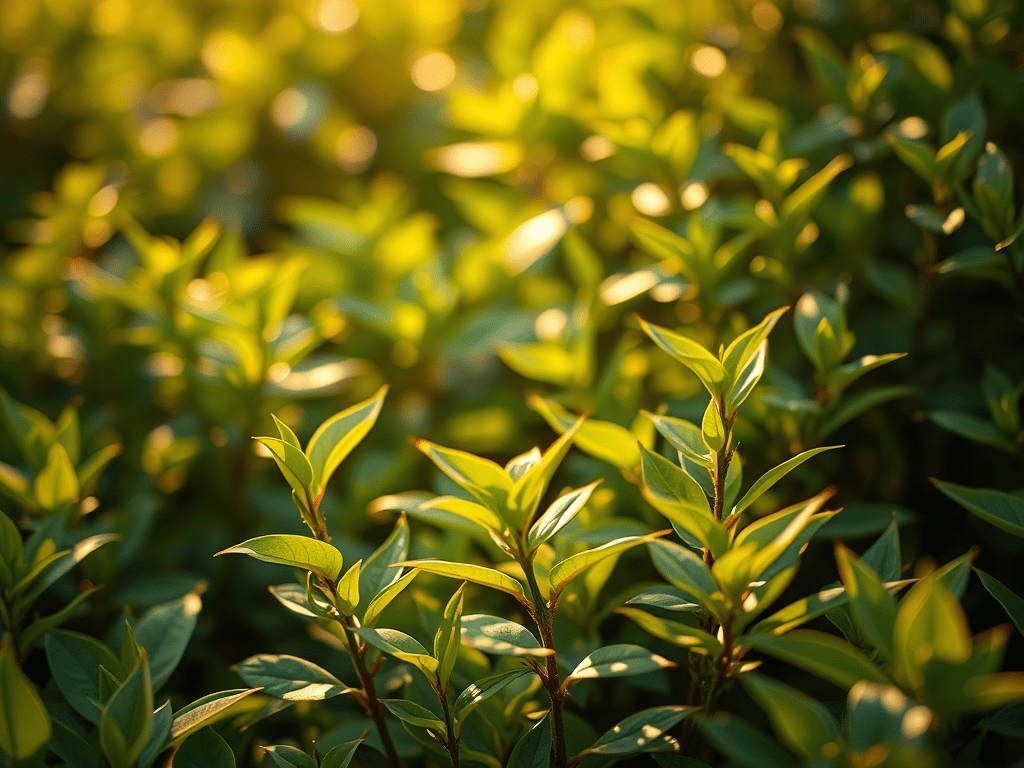
From the wild Camellia sinensis var. assamica trees to the elegant tea gardens, the journey of tea is a delightful mix of discovery, cultivation, and reverence. Every sip today carries the essence of this royal adventure—a blend of ancient secrets and timeless tradition. Cheers to that!
 Clara Teas
Leave a comment