
Tea-tastic Adventures in Flavor!
Welcome to the enchanting world of tea cultivation, where the sun shines, the mountains loom, and the leaves dance with flavor! Picture lush, tropical landscapes where tea plants thrive in acidic soil, soaking up all that high-altitude magic. Why does this matter? Because the higher the elevation, the slower the growth, and that means our tea leaves are like fine wine—taking their sweet time to develop rich, complex flavors and tantalizing aromas!
Regions like Darjeeling in India, the breathtaking highlands of Sri Lanka, and the majestic mountains of China and Japan are the rockstars of the tea world. These locales produce some of the finest teas, thanks to their perfect climate and soil conditions.
Now, let’s talk about the journey of the tea plant. It takes about 3 to 5 years for these leafy wonders to grow up and be ready for harvest. During this time, they need a little TLC—consistent watering, careful pruning, and a solid defense against pests. Once they reach maturity, they become the gift that keeps on giving, producing fresh leaves multiple times a year, depending on Mother Nature’s whims.
But wait, there’s more! The elevation doesn’t just affect flavor; it also plays tricks on caffeine content. Higher-altitude teas generally have lower caffeine levels, thanks to their leisurely growth and exposure to the elements. This creates delicate brews that are both nuanced and oh-so-refined!
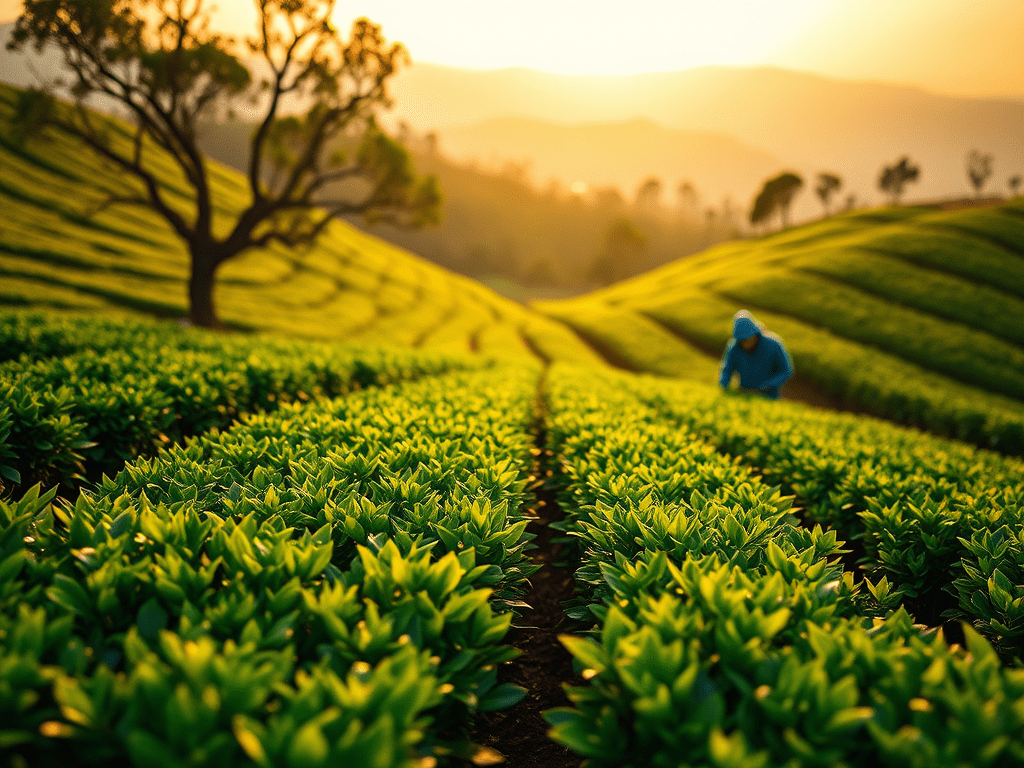
Let’s break down some fun chemistry! High-elevation teas are packed with:
- Flavonoids: These little superheroes are antioxidants that jazz up the tea’s color and flavor while boosting its health benefits.
- Amino Acids: Say hello to theanine, which adds a savory umami kick and helps you chill out.
- Polyphenols: These compounds contribute to that delightful bitterness and astringency we love in tea.
- Volatile Metabolites: Sounds fancy, right? These guys enhance the aromas and flavors, giving your cup that extra flair.
Elevation also boosts the antioxidant levels in tea leaves in several cool ways:
- Chill Growth: The cooler temps at higher altitudes slow the plants down, allowing them to develop complex flavors.
- Sunshine Boost: More direct sunlight means more polyphenols, our antioxidant friends, get to strut their stuff!
- Stress Management: Strong winds and cooler conditions push tea plants to produce even more antioxidants as a defense strategy.
- Leaf Composition: Higher elevation leads to leaves rich in amino acids and beneficial compounds, elevating (pun intended!) the overall health benefits.
Now, let’s dive into the delightful compounds that give each tea its unique character:
Green Tea:
- Catechins: Powerful antioxidants, with epigallocatechin gallate (EGCG) leading the charge.
- Theanine: Adds a calming umami flavor.
- Caffeine: Provides a gentle boost.
Black Tea:
- Theaflavins: Antioxidants that give it color and flavor.
- Thearubigins: Complex polyphenols that enhance richness and astringency.
- Caffeine: Higher levels compared to green tea.
Oolong Tea:
- Catechins: Present in moderate amounts due to partial oxidation.
- Theaflavins and Thearubigins: Less than in black tea, but still impactful.
- Theanine: Adds smoothness and complexity.
White Tea:
- Catechins: High levels due to minimal processing.
- Theanine: Elevates the delicate flavor.
- Caffeine: Lower than in black and green teas.
Pu-erh Tea (Dark Tea):
- Theabrownins: Unique compounds from microbial fermentation.
- Polyphenols: Various types enhance antioxidant properties.
- Caffeine: Levels vary depending on fermentation.
Yellow Tea:
- Catechins: Moderate levels from slight oxidation.
- Theanine: Contributes to a mellow flavor.
- Caffeine: Similar to green tea.
Additionally, all teas are bursting with volatile compounds like alcohols, aldehydes, ketones, esters, and more, which contribute to their enticing aromas and flavors.
Each type of tea tells a story with its own unique blend of compounds that influence flavor, aroma, and health benefits. Explore this delicious world, and you’ll discover a flavorful adventure for your taste buds and well-being! So, grab your favorite cup, steep away, and savor every sip—your tea journey awaits!

 Clara Teas
Leave a comment