Prairie grass teas refer to herbal teas made from grasses that are native to prairies or grasslands. These grasses are often known for their medicinal properties or flavorful qualities, and they have been used by Indigenous peoples for centuries. While “prairie grass teas” might not refer to a specific, widely recognized tea blend, several types of prairie grasses are used in various herbal teas.
Here are a few types of prairie grasses and plants commonly associated with herbal teas:
1. Common Blazing star (Liatris spicata)
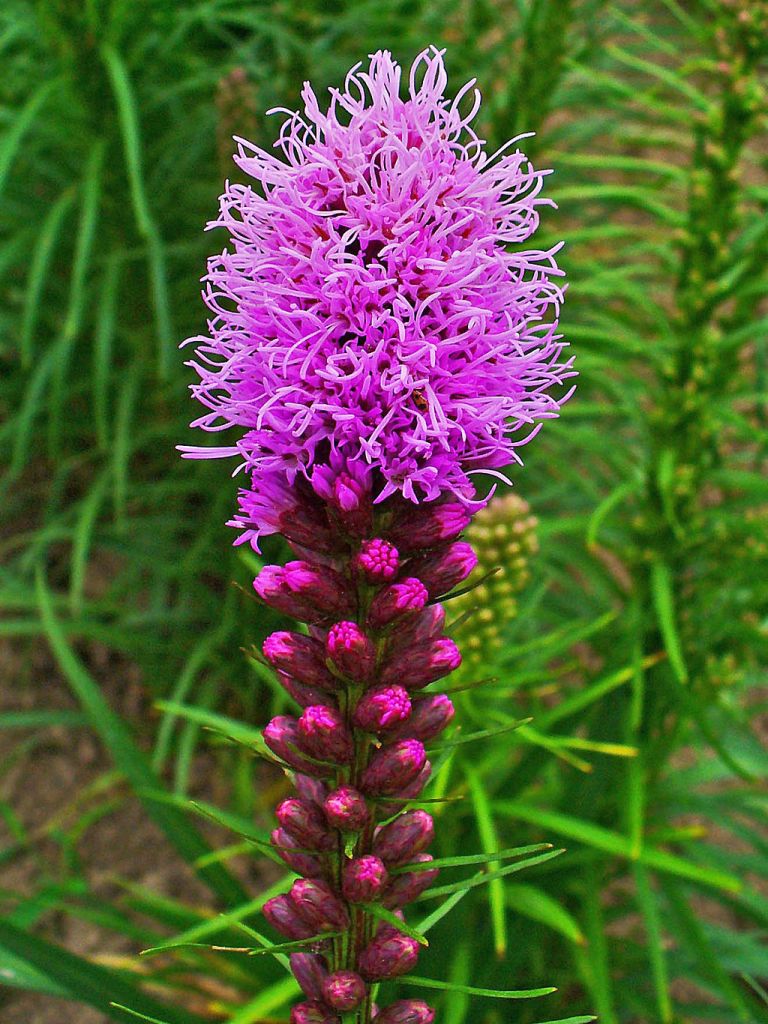
While technically a member of the Asteraceae family rather than a true grass, Common Blazingstar is a perennial plant commonly found in prairies. Its flowers are used in herbal teas and are believed to have some health benefits, such as anti-inflammatory and diuretic properties. It’s an iconic prairie plant that adds color and biodiversity to the landscape.
2. Canada Wild Rye (Elymus canadensis)
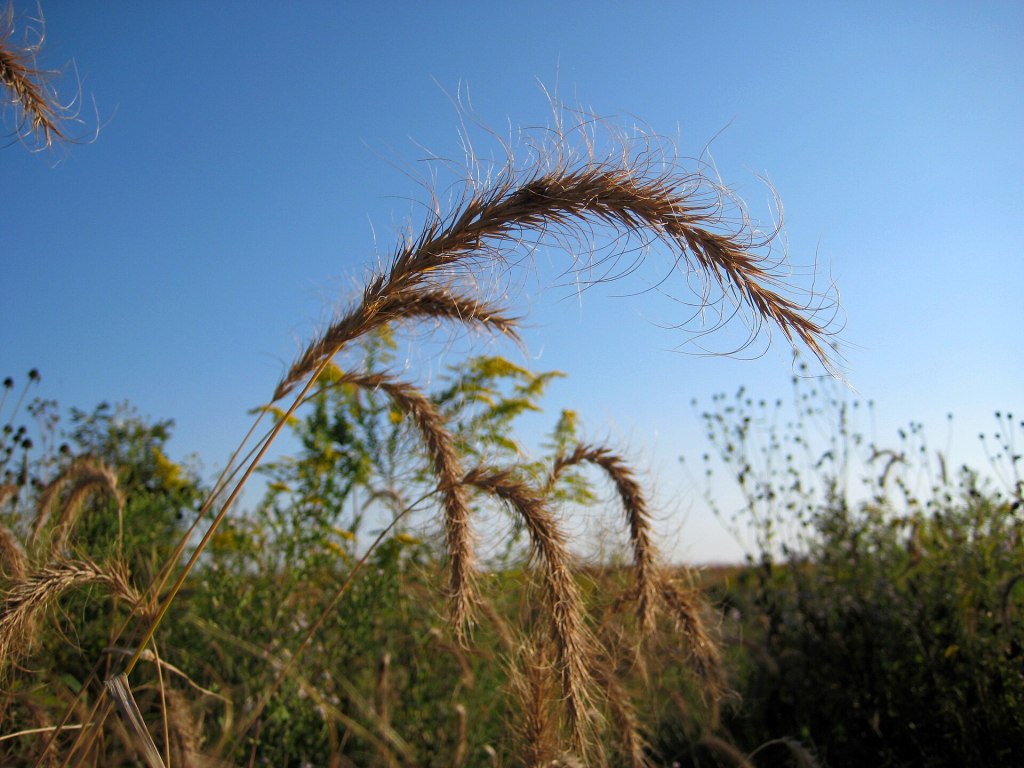
Canada Wild Rye is a perennial grass native to Illinois and the surrounding regions. It is known for its tall, arching seed heads that sway in the wind, making it a visually striking part of the prairie landscape. While not used extensively for teas, it is a key species for soil health and prairie restoration efforts. Its medicinal uses are not well documented but could be explored in herbal medicine.
3. Prairie Dropseed (Sporobolus heterolepis)
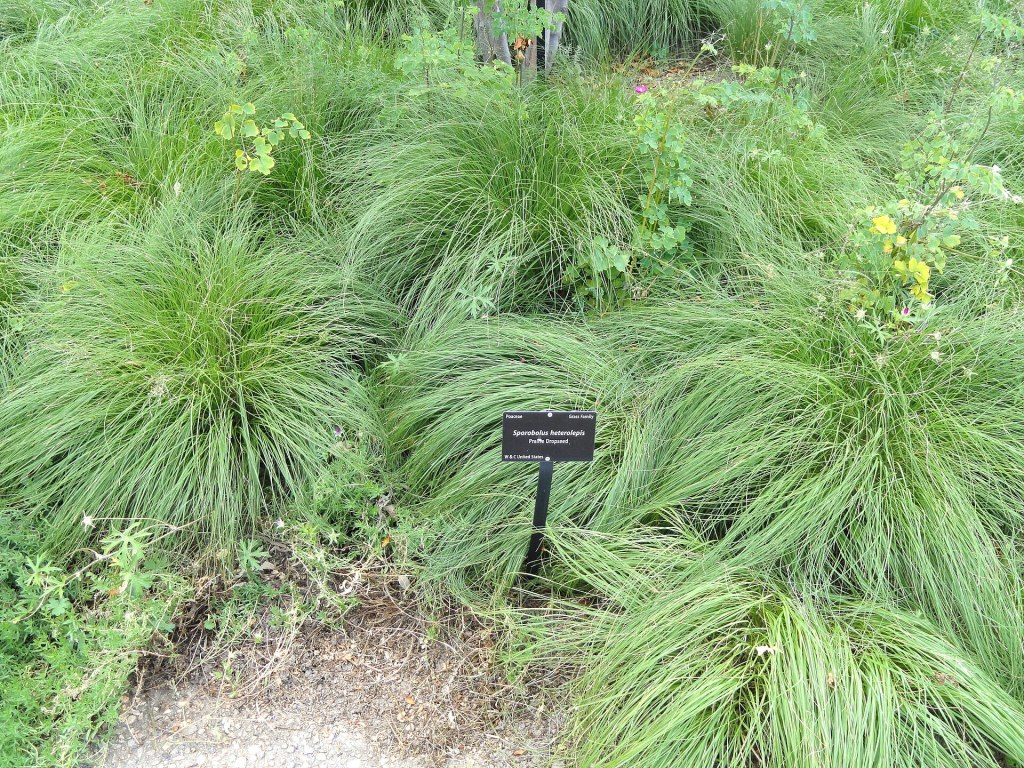
Prairie Dropseed is a perennial grass that is commonly found in Illinois prairies. It is known for its fine texture and sweet, aromatic seeds. The seeds of Prairie Dropseed can have culinary uses, and while not common, there could be potential for the plant to be used in teas or infusions, especially considering its pleasant scent and flavor.
4. Panic Grass (Dichanthelium species)
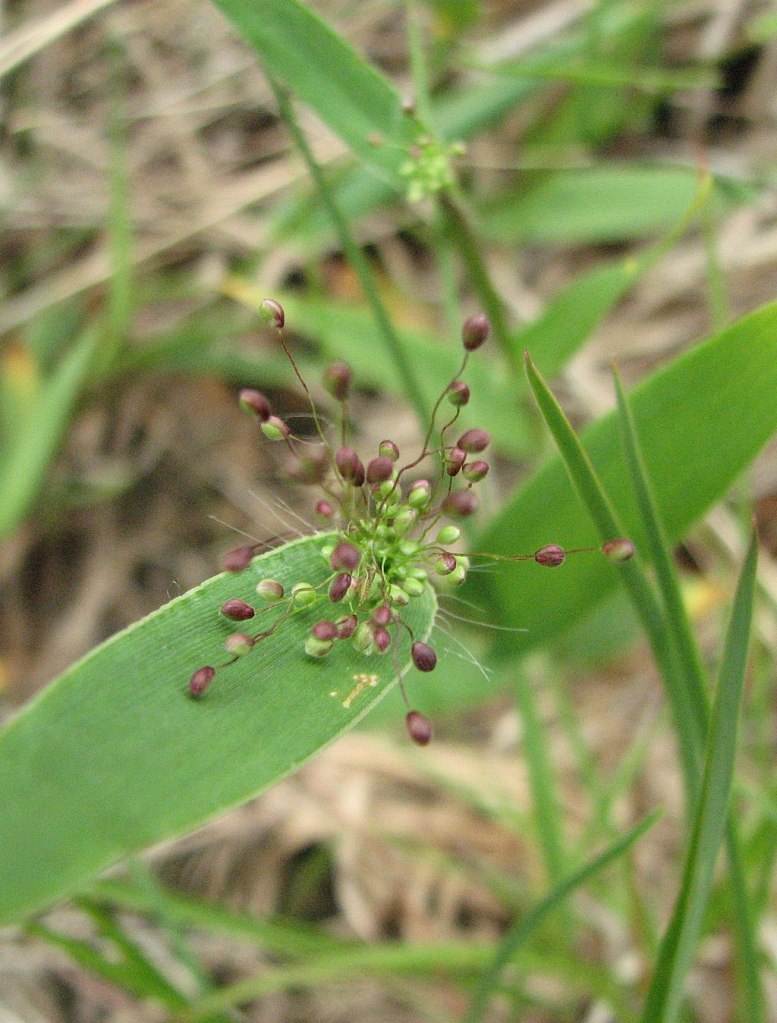
Several species of Panic Grass grow in the prairies of Illinois. These grasses are often overlooked but play a critical role in the ecosystem, particularly in areas with disturbed soil. While they’re not commonly used in teas, their presence helps maintain soil health and support local wildlife.
Illinois Prairie Grass Tea Specifics
The state I live in, Illinois, has a rich prairie ecosystem and is home to several native grasses and plants that can be used to make herbal teas. While not all of these grasses are commonly brewed into tea, a few have been historically used for medicinal and flavorful purposes. Here’s a look at some Illinois prairie grasses and related plants that might be used to make herbal teas:
1. Big Bluestem (Andropogon gerardii)
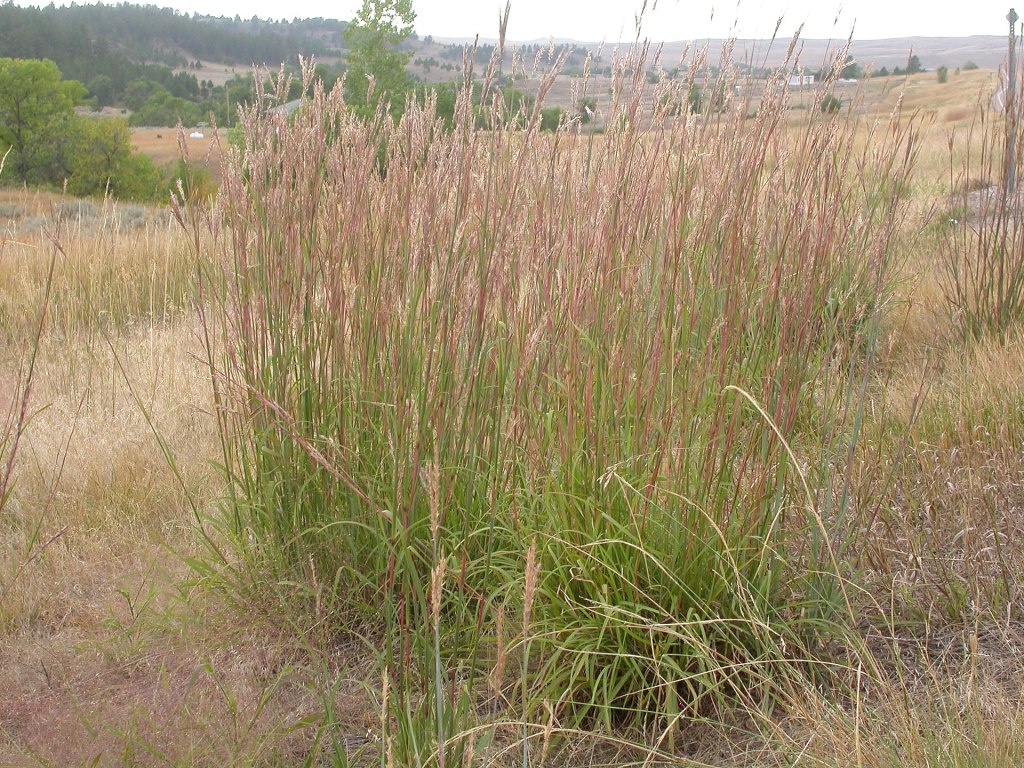
Big Bluestem, known as the “king of the prairie,” is Illinois’ state grass. This tall, perennial grass is commonly found in the prairies of Illinois. While it’s not typically used for tea in mainstream herbalism, it has been used in traditional practices and could potentially be utilized for tea-making, particularly for its medicinal properties in herbal remedies.
2. Sweetgrass (Hierochloe odorata)
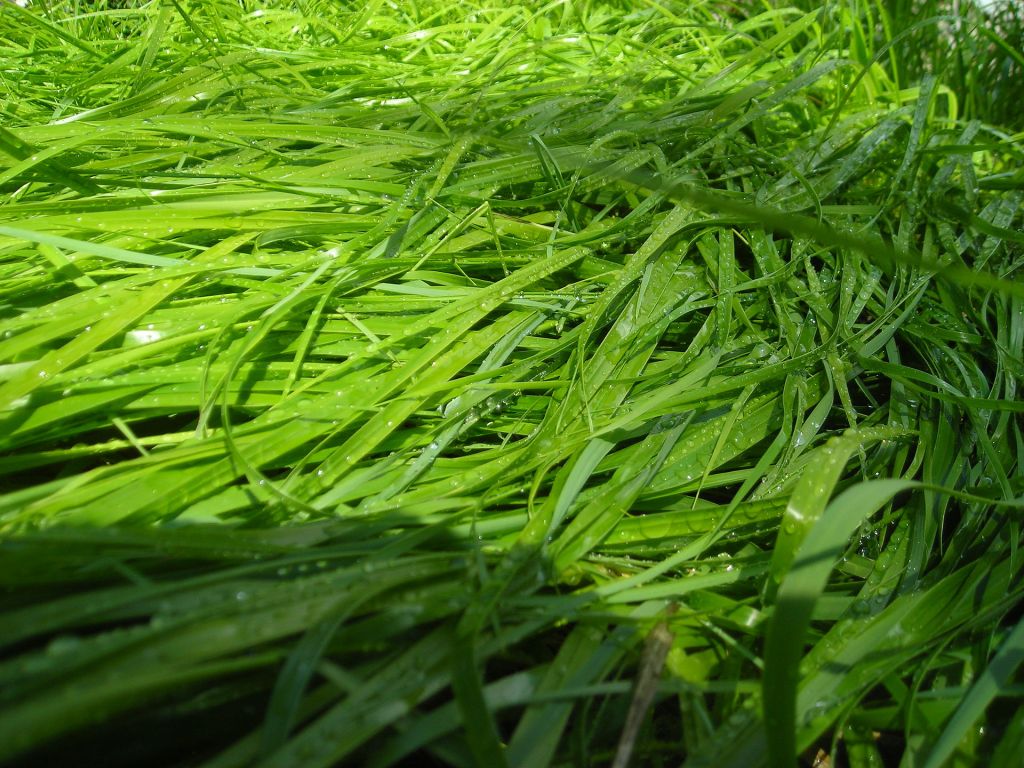
Sweetgrass, while more commonly associated with the northern plains, also grows in parts of Illinois. It’s a fragrant, perennial grass that has been used in Native American ceremonies and for making aromatic teas. It has a sweet, vanilla-like fragrance when dried, and its tea is known for its calming and relaxing properties. Sweetgrass is perhaps one of the most popular grasses used for tea in Illinois’ prairies.
3. Prairie Sage (Artemisia ludoviciana)
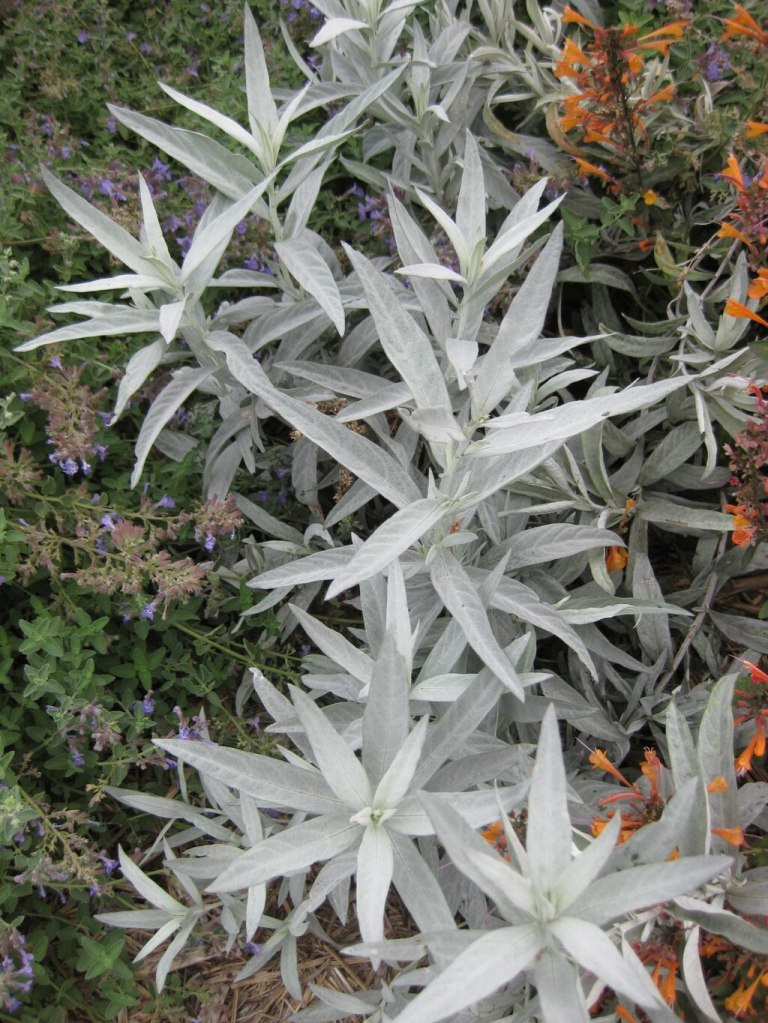
Prairie Sage, also known as white sagebrush or licorice sage, grows in the prairies of Illinois. This plant is not a true sage (like culinary sage) but shares similar aromatic qualities. It has been used by Native American tribes for medicinal and ceremonial purposes. The leaves can be brewed into tea and are believed to have a number of health benefits, including digestive support and antimicrobial properties.
4. Black-eyed Susan (Rudbeckia hirta)
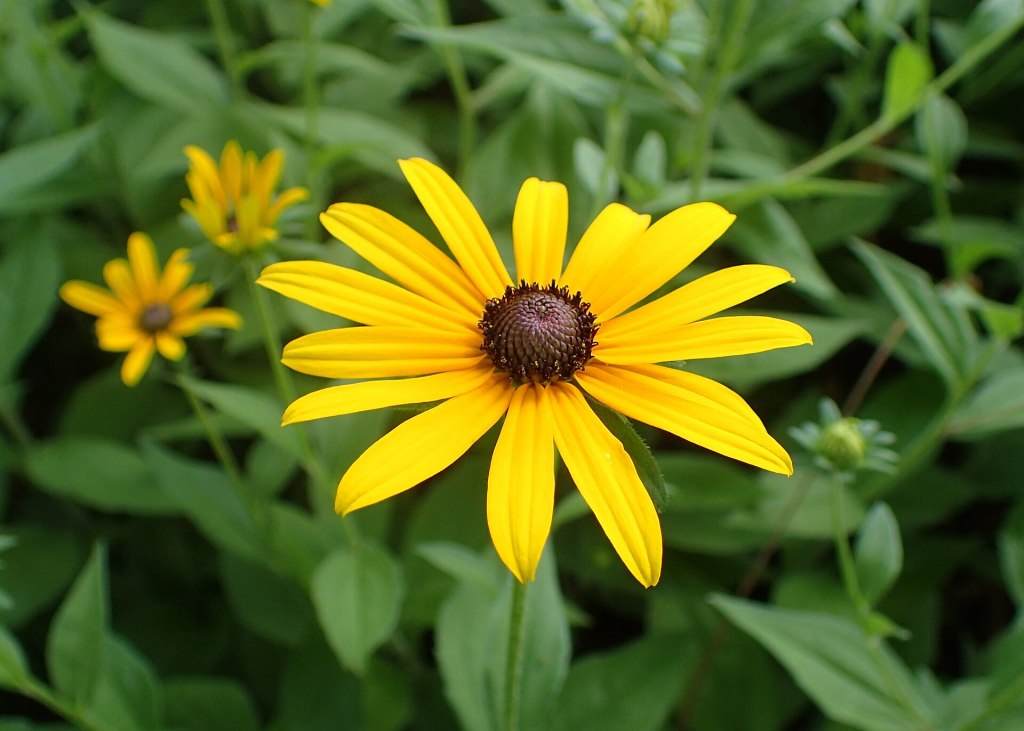
Again, not a grass, but a wildflower native to Illinois, Black-eyed Susan is sometimes included in prairie-based herbal teas. Its flowers are believed to have mild medicinal properties, and it’s often used in herbal preparations, though more commonly for teas to support the immune system.
Health Benefits of Illinois Prairie Grasses and Plants in Tea:
- Sweetgrass: Known for its calming effects, sweetgrass tea is used to promote relaxation and reduce stress.
- Prairie Sage: Often used for digestive issues, such as indigestion, and has mild antiseptic properties.
- Big Bluestem: While not traditionally used in teas, its potential as an anti-inflammatory or digestive aid may be explored.
Making Tea from Illinois Prairie Plants:
When making tea from Illinois prairie plants, it’s important to first ensure you are using the correct plant and that it’s safe for consumption. For grasses like sweetgrass, you can simply steep dried leaves in hot water for about 5-10 minutes, similar to how you would make any herbal infusion. Always consult a knowledgeable herbalist or professional before using plants in medicinal preparations.
1. Sweetgrass Tea (Hierochloe odorata)
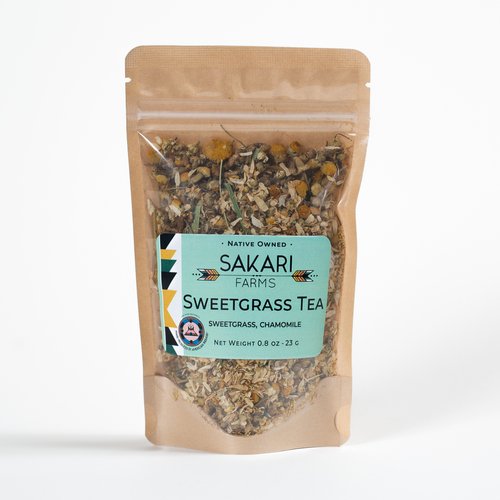
Sweetgrass is known for its sweet, vanilla-like fragrance and is often used in teas for relaxation and calming purposes.
How to Make Sweetgrass Tea:
Ingredients:
- Dried sweetgrass leaves (you can gather them yourself, or find dried sweetgrass from herbal shops)
- Hot water
Instructions:
- Harvest or Purchase Sweetgrass: If you are harvesting your own sweetgrass, make sure it is from a clean, pesticide-free area. Cut the leaves in the summer when they’re fresh and aromatic, then hang them to dry in a cool, dry place. You can also buy dried sweetgrass online or at herbal shops.
- Prepare the Tea: Use about 1-2 teaspoons of dried sweetgrass for each cup of tea.
- Steep the Tea: Boil water, then pour it over the sweetgrass leaves in a cup. Let it steep for 5-10 minutes. The longer you steep it, the stronger the flavor.
- Strain and Serve: Strain the leaves and enjoy the fragrant, calming tea. You can add honey or lemon for extra flavor, though sweetgrass itself is naturally sweet.
Benefits: Sweetgrass tea is known for its relaxing, anti-anxiety properties. It’s great for stress relief and is sometimes used in meditation practices or spiritual ceremonies.
Precaution: Sweetgrass is generally considered safe for consumption in small amounts. However, as it has a calming and sedative effect, excessive consumption may cause drowsiness or interact with other sedative medications. If you’re pregnant, nursing, or taking medications, it’s advisable to consult with a healthcare provider before use.
2. Prairie Sage Tea (Artemisia ludoviciana)
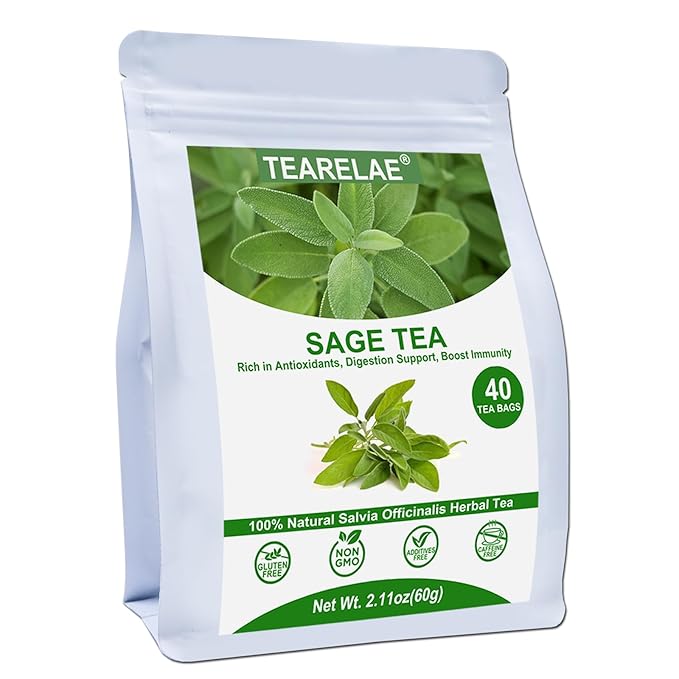
Prairie Sage, also known as white sagebrush, is a fragrant herb often used for its medicinal and cleansing properties.
How to Make Prairie Sage Tea:
Ingredients:
- Dried Prairie Sage leaves (you can collect your own or purchase dried leaves)
- Hot water
- Optional: Honey or lemon
Instructions:
- Harvest or Purchase Prairie Sage: If you’re harvesting it yourself, make sure you’re picking it from a clean, pesticide-free area. Harvest in the summer when the leaves are most potent. Let the leaves dry in a cool, dry space before use. Alternatively, dried prairie sage can be bought.
- Prepare the Tea: Use about 1 teaspoon of dried prairie sage leaves for each cup of tea.
- Steep the Tea: Bring water to a boil and pour it over the sage leaves in a cup. Let it steep for 5-7 minutes. Prairie sage has a strong, slightly bitter taste, so adjust the steeping time according to your preference.
- Strain and Serve: Strain the leaves from the tea and enjoy. Add honey, lemon, or even a pinch of cinnamon to enhance the flavor.
Benefits: Prairie sage tea is commonly used for digestive health, to alleviate indigestion, and to relieve inflammation. It is also thought to have mild antimicrobial properties.
Precaution: Prairie Sage has mild antimicrobial and digestive benefits, but it can be toxic in high doses. Overconsumption may lead to nausea, vomiting, or liver damage. Pregnant and breastfeeding women should avoid using sage in large quantities as it may have uterine-stimulating effects. Always consult with a healthcare professional if you’re considering it for medicinal purposes.
3. Common Blazingstar Tea (Liatris spicata)
Common Blazingstar is a beautiful prairie wildflower often used in herbal teas, though its medicinal uses are less common. It is known for its mild, soothing properties.
How to Make Common Blazingstar Tea:
Ingredients:
- Dried Common Blazingstar flowers (these can be harvested from the plant or bought dried)
- Hot water
- Optional: Honey or a dash of lemon
Instructions:
- Harvest or Purchase Blazingstar Flowers: If you’re harvesting them yourself, collect the flowers when they are in full bloom in mid-summer. Dry the flowers by hanging them upside down in a cool, dry area. Alternatively, dried flowers can be found online or in some herbal shops.
- Prepare the Tea: For each cup of tea, use about 1-2 teaspoons of dried Common Blazingstar flowers.
- Steep the Tea: Boil water and pour it over the dried flowers. Let it steep for 5-10 minutes. The longer you steep it, the more pronounced the flavor.
- Strain and Serve: Strain the flowers out and enjoy the tea. You can add honey or a slice of lemon to complement the delicate flavor.
Benefits: Common Blazingstar tea is known for its mild calming properties. It’s sometimes used for relaxation, easing headaches, and promoting a good night’s sleep. Some also use it as a mild anti-inflammatory.
Precaution: Common Blazingstar is generally considered safe for use in small amounts as a mild calming agent, but little is known about its potential long-term effects. There is a lack of research on its full safety profile, so it should be used with caution, especially in large quantities or over long periods of time. Always consult with a healthcare professional before use.
Not enough information is available about the use of blazing star during pregnancy or breastfeeding, so it’s best to avoid use.
Individuals with allergies to ragweed, daisies, or other plants in the Asteraceae family should be cautious.
4. Big Bluestem Tea (Andropogon gerardii)
Big Bluestem is a tall prairie grass with ecological significance. It is not commonly used in teas but can be experimented with for its mild, soothing properties.
How to Make Big Bluestem Tea: Ingredients:
- Dried Big Bluestem leaves (can be harvested or purchased)
- Hot water
- Optional: Honey or lemon
Instructions:
- Harvest or Purchase Big Bluestem: Collect leaves during the growing season or buy dried leaves from an herbal store.
- Prepare the Tea: Use about 1-2 teaspoons of dried Big Bluestem leaves for each cup of tea.
- Steep the Tea: Pour hot water over the leaves and let it steep for 5-10 minutes. The flavor may be mild and earthy.
- Strain and Serve: Strain the leaves and enjoy your tea. Add honey or lemon for extra flavor if desired.
Benefits: Big Bluestem tea is not well-studied, but it may have anti-inflammatory properties, historically used for digestive health and soothing minor discomforts.
Precaution: Big Bluestem tea is not well-studied, so its safety is unclear. It’s important to note that grasses, in general, can cause allergic reactions in some individuals, especially those with grass pollen allergies. Consult a healthcare provider before use, particularly if you have allergies or are on medication.
5. Black-eyed Susan Tea (Rudbeckia hirta)
Black-eyed Susan is commonly used in herbal teas for its immune-boosting and soothing properties.
How to Make Black-eyed Susan Tea: Ingredients:
- Dried Black-eyed Susan flowers
- Hot water
- Optional: Honey or a slice of lemon
Instructions:
- Harvest or Purchase Black-eyed Susan Flowers: Harvest in mid-summer or buy dried flowers from an herbal shop.
- Prepare the Tea: Use 1-2 teaspoons of dried flowers for each cup of tea.
- Steep the Tea: Boil water and pour it over the flowers, letting it steep for 5-10 minutes.
- Strain and Serve: Strain the tea and enjoy the pleasant flavor. Add honey or lemon if desired.
Benefits: Black-eyed Susan tea is known for its immune-boosting and anti-inflammatory properties, commonly used to treat colds, flu, or respiratory issues. Recent research has focused on the chemical composition and bioactivity of black-eyed Susan, revealing potential antioxidant, antimicrobial, and antitumor properties.
Precaution: While Black-eyed Susan tea ( Rudbeckia hirta) is generally considered non-toxic, some individuals may experience allergic reactions or digestive discomfort, so it’s best to exercise caution and avoid consumption for those with sensitivities.
6. Canada Wild Rye Tea (Elymus canadensis)
Canada Wild Rye can be steeped for a mild herbal infusion.
How to Make Canada Wild Rye Tea: Ingredients:
- Dried Canada Wild Rye leaves
- Hot water
- Optional: Honey or lemon
Instructions:
- Harvest or Purchase Canada Wild Rye: Collect leaves in summer or purchase dried leaves.
- Prepare the Tea: Steep 1 teaspoon of dried leaves per cup.
- Steep the Tea: Let it steep for 5-7 minutes.
- Strain and Serve: Strain and enjoy.
Benefits: It may offer mild anti-inflammatory effects, though it’s better known for soil health than for medicinal properties.
Precaution: Canada Wild Rye, like other rye species, can cause allergic reactions in individuals who are sensitive to grass pollen. It’s recommended to consult with a healthcare provider before use, especially for individuals with known grass allergies.
7. Prairie Dropseed Tea (Sporobolus heterolepis)
Prairie Dropseed is aromatic and might be used for a pleasant tea.
How to Make Prairie Dropseed Tea: Ingredients:
- Dried Prairie Dropseed leaves or seeds
- Hot water
- Optional: Honey or lemon
Instructions:
- Harvest or Purchase Prairie Dropseed: Collect seeds or leaves or purchase dried plant parts.
- Prepare the Tea: Use 1-2 teaspoons of dried leaves or seeds per cup.
- Steep the Tea: Steep for 5-10 minutes.
- Strain and Serve: Strain and enjoy the aromatic, sweet tea.
Benefits: It may have calming effects and could provide mild antioxidant benefits.
8. Panic Grass Tea (Dichanthelium species)
Panic Grass is not widely used for tea but can be steeped experimentally.
How to Make Panic Grass Tea: Ingredients:
- Dried Panic Grass leaves
- Hot water
- Optional: Honey or lemon
Instructions:
- Harvest or Purchase Panic Grass: Collect leaves in summer or purchase dried leaves.
- Prepare the Tea: Use 1-2 teaspoons of dried leaves.
- Steep the Tea: Steep for 5-10 minutes.
- Strain and Serve: Strain and enjoy.
Benefits: May have mild anti-inflammatory effects but is primarily known for its role in prairie ecosystems.
Precaution: As with other grasses, Panic Grass could cause allergic reactions, especially in individuals with grass pollen allergies. It’s best to consult with a healthcare provider before use if you have allergies or are on any medication. If considering using panic grass tea, it’s essential to consult with a healthcare professional, especially if you have any existing health conditions or are taking medications.
General Guidelines for Herbal Teas
- Consultation: Always consult with a healthcare provider, especially if you are pregnant, breastfeeding, have pre-existing health conditions, or are taking medications.
- Allergic Reactions: People who have a history of allergies to grasses, flowers, or herbs should exercise caution when trying new herbal teas.
- Moderation: It’s important to use herbal teas in moderation. Excessive use of any plant, even those considered safe, could lead to side effects.
- Dosage: Stick to recommended dosages for herbal teas, and avoid making concentrated infusions unless otherwise advised by a professional.
Using herbal teas for medicinal purposes should always be done with caution, and it’s essential to stay informed about the plants you’re consuming, especially when experimenting with new, lesser-known herbs.
A Final Word on Prairie Grass Teas
In conclusion, prairie grass teas offer a unique and natural way to connect with the rich flora of the prairie ecosystem. While these teas may provide soothing and medicinal benefits, it’s important to approach them with mindfulness and caution, ensuring proper identification, usage, and moderation. By doing so, you can enjoy the calming, aromatic qualities of these plants while respecting their cultural and ecological significance. As with any herbal remedy, consulting with a healthcare provider, especially if you’re new to herbal teas or have underlying health conditions, can ensure a safe and enjoyable experience. Whether you’re looking for a calming cup of Sweetgrass tea or an aromatic Prairie Dropseed infusion, these prairie plants provide a flavorful connection to nature’s diverse and healing offerings.
So go ahead, steep a cup of prairie wisdom! Just remember, while these teas might make you feel like you’re one with nature, they won’t actually turn you into a prairie expert overnight. That said, you might just end up with a calmer mind and a newfound appreciation for the wild grasses around you — and who knows, maybe even a few new herbal remedies for your next picnic in the prairie! But as you venture into the prairie to gather your ingredients, remember that these ecosystems are fragile and invaluable. Always respect the land, take only what you need, and avoid damaging the plants or the habitats that rely on them. Sustainable harvesting ensures that future generations can enjoy the same beauty and benefits the prairie has to offer.
And most importantly, before heading out to harvest, always check with local ordinances and laws. Different areas may have restrictions on foraging, harvesting, or collecting native plants, especially in protected habitats or conservation areas. It’s not only the responsible thing to do but also the legal one. Nature is not a resource to be used up but a partner to be respected and cherished. By staying informed and respecting the rules, we can ensure that the prairie remains a vibrant, thriving place for generations to come.
 Clara Teas
Leave a comment